Open-LIFU
Low intensity focused ultrasound device for portable, non-invasive treatments
Research Use Only; pre-FDA
Open-LIFU 2.0
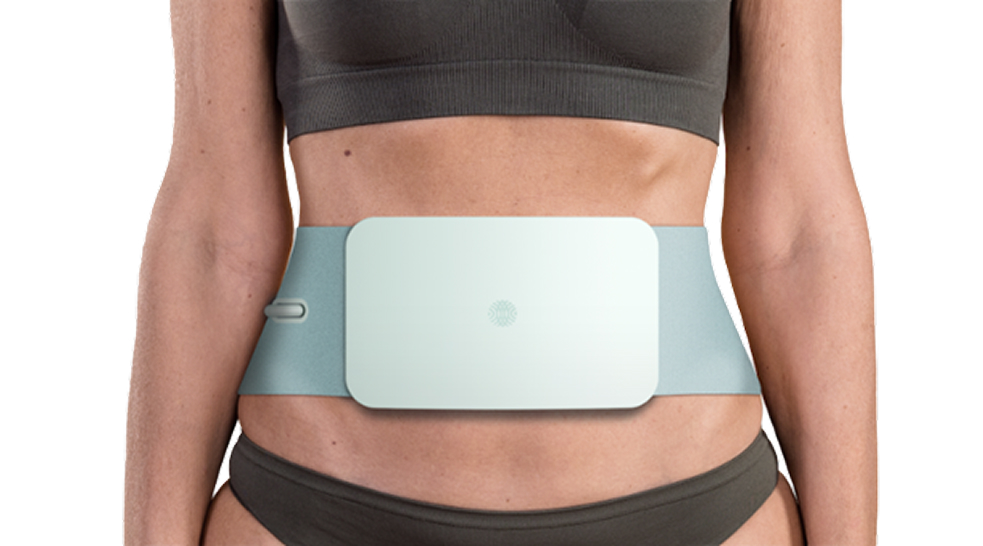
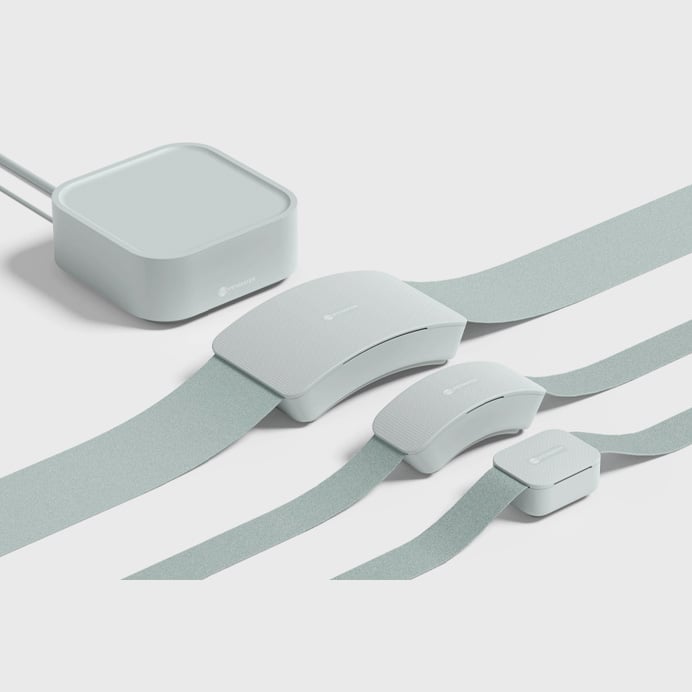
Open-LIFU is capable of probing diverse brain and body regions. The devices come ready to use out of the box, and the open source architecture allows for customization to suit a wide range of research needs. Standardized design features ensure that clinical studies conducted with these tools can generate critical data to inform the development of future portable, low-cost medical devices.
Key Features
Delivers low-intensity focused ultrasound (LIFU) therapy with precision and flexibility.
- Patient-specific targeting; modular architecture
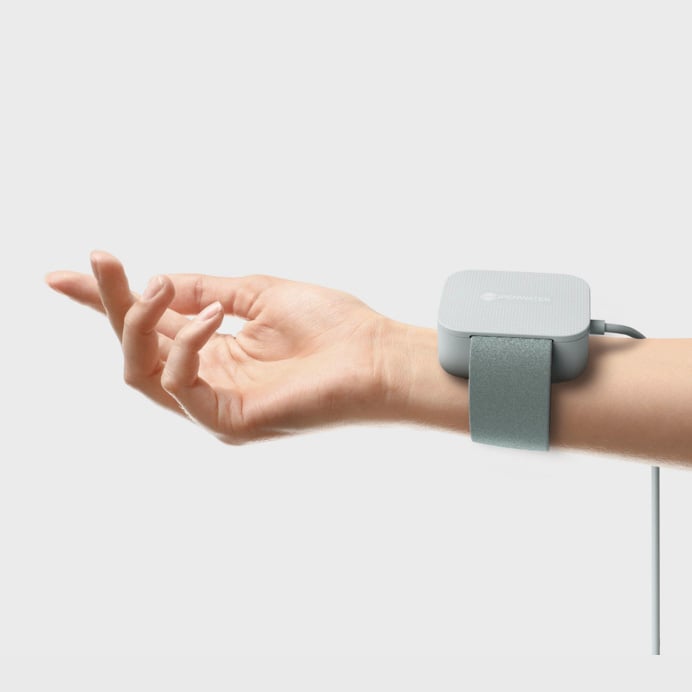
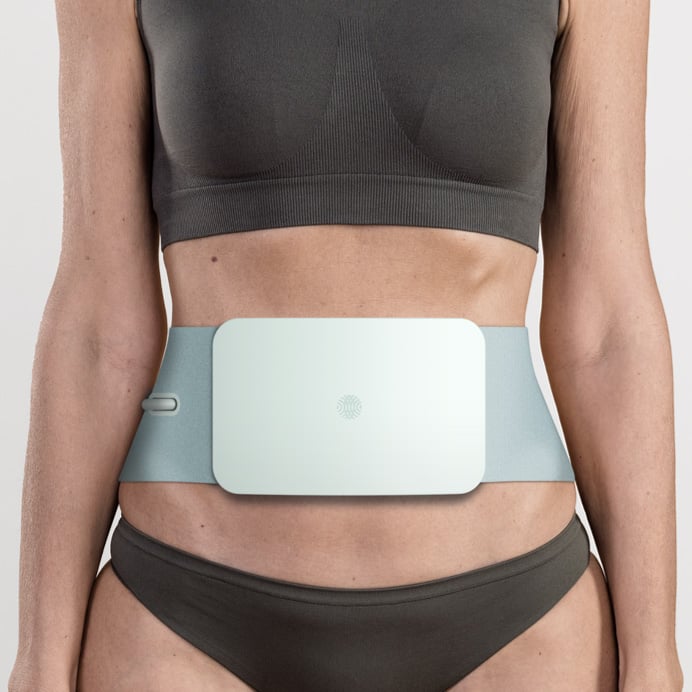
- Lightweight, wearable, and portable for field use
- Sophisticated software tools for planning, delivery, and monitoring
- Flexible pulse parameters for tailored therapeutic protocols
- Safety-focused design with IEC 60601-1 compliance
- Complete system or OEM hardware/software components
- Research use only; pre-FDA
Glioblastoma Study
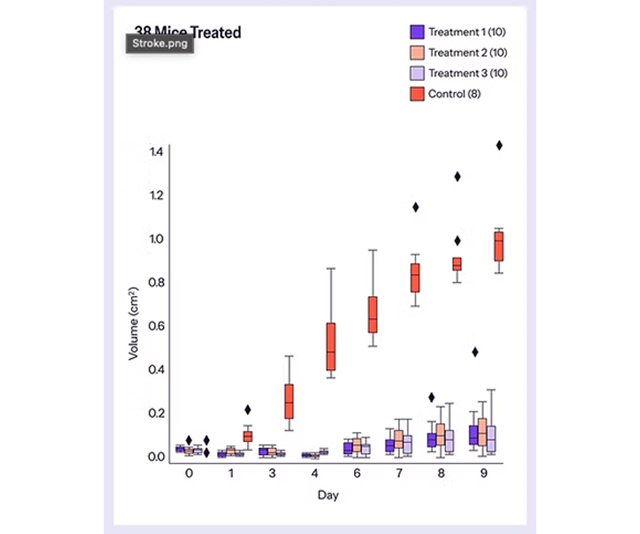
Stunning tumor shrinkage was observed in a preclinical study of 38 mice with glioblastoma after a single 2-minute Openwater ultrasound treatment. Using our wearable, non-invasive headset—adapted for smaller mice—tumor growth dramatically decreased compared to controls.
Openwater. Results Overview: Preclinical Oncolysis Study Using Focused Ultrasound for Glioblastoma Lysis. White paper. Openwater, 2024.
Severe Depression Study
BDI scores went from severe depression to remission in a week with 10 minutes per day therapy via Open-LIFU headgear device. Week 2 and 3 treatment see further improvements. Over 1/3 of patients reached remission in a 20 person clinical trial.
Specifications
| Category | Parameter | Value |
| Sonication Parameters | Center frequencies Mechanical Index at focus Pulse length Duty Cycle Duration Focusing range (1 module) Focusing range (multi-module) Apodization Focal Patterns |
100–500 kHz 0–1.9 MI 0–100 ms 0–50% 0–15 minutes 3 cm (150 kHz), 6 cm (400 kHz) 11 cm (deeper may be possible with more modules than 4×2 grid) Binary Single, Multi (rastered) |
| Transmit Modules | Number of Elements Transmit Electronics Center frequencies Footprint Communication Expansion ports Receive Channels |
64 (8×8 grid) per single transducer On-module 150 kHz, 400 kHz 4×4 cm I2C, TTL I2C Expansion header |
| Transducers | Number of transmit modules Connection to console Affixation to body |
Depending on frequency & duty cycle – Use of many transducers simultaneously at max power may require custom power supply – TBD Flexible Cable Multiple strap configurations |
| Console | Input Power Output Voltage Output Power Input Communication Port Size |
120V / 240V AC +/- (5–96V) DC 60W Peak USB C 6” × 6” × 2” |
| Software | Operating System Memory Storage Connections GPU Simulation Engine Language Components |
Windows 11 or later 8 GB of RAM 100 GB of free storage 1 available USB-C port (at least USB 3.0) NVIDIA Recommended K-Wave (python version) Python 1. Underlying Python Modules 2. Access controlled GUI |
| Transducer Tracking | Method Accuracy |
3D Scanning TBD – requires < 2 mm |
| Compliance | IEC Standards ISO Standards |
60601-1-1, 60601-1-2, 60601-1-6, 60601-2-5, 60601-2-37, 60601-2-62, 62304 13485, 10993 |