The Evidence
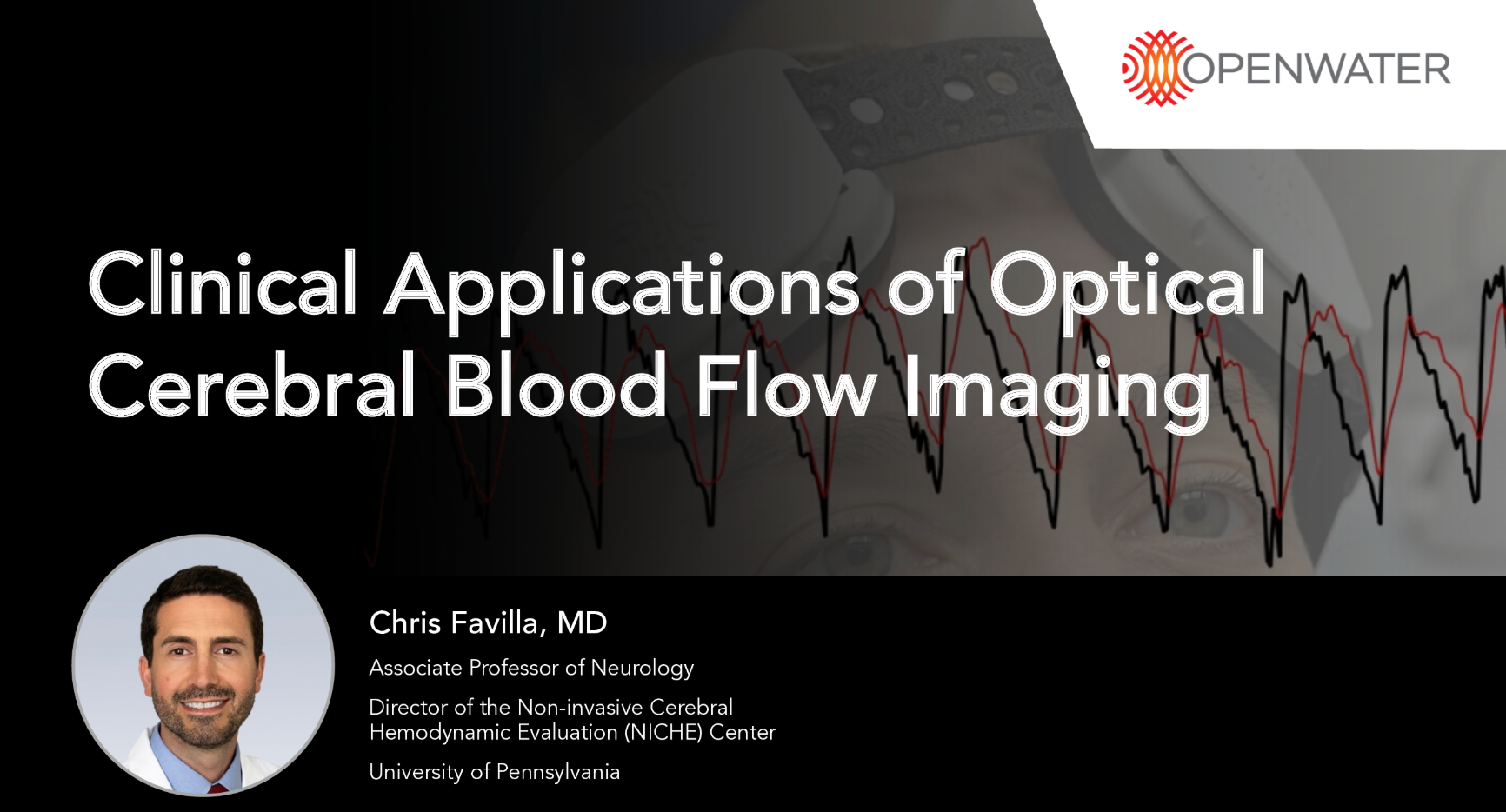
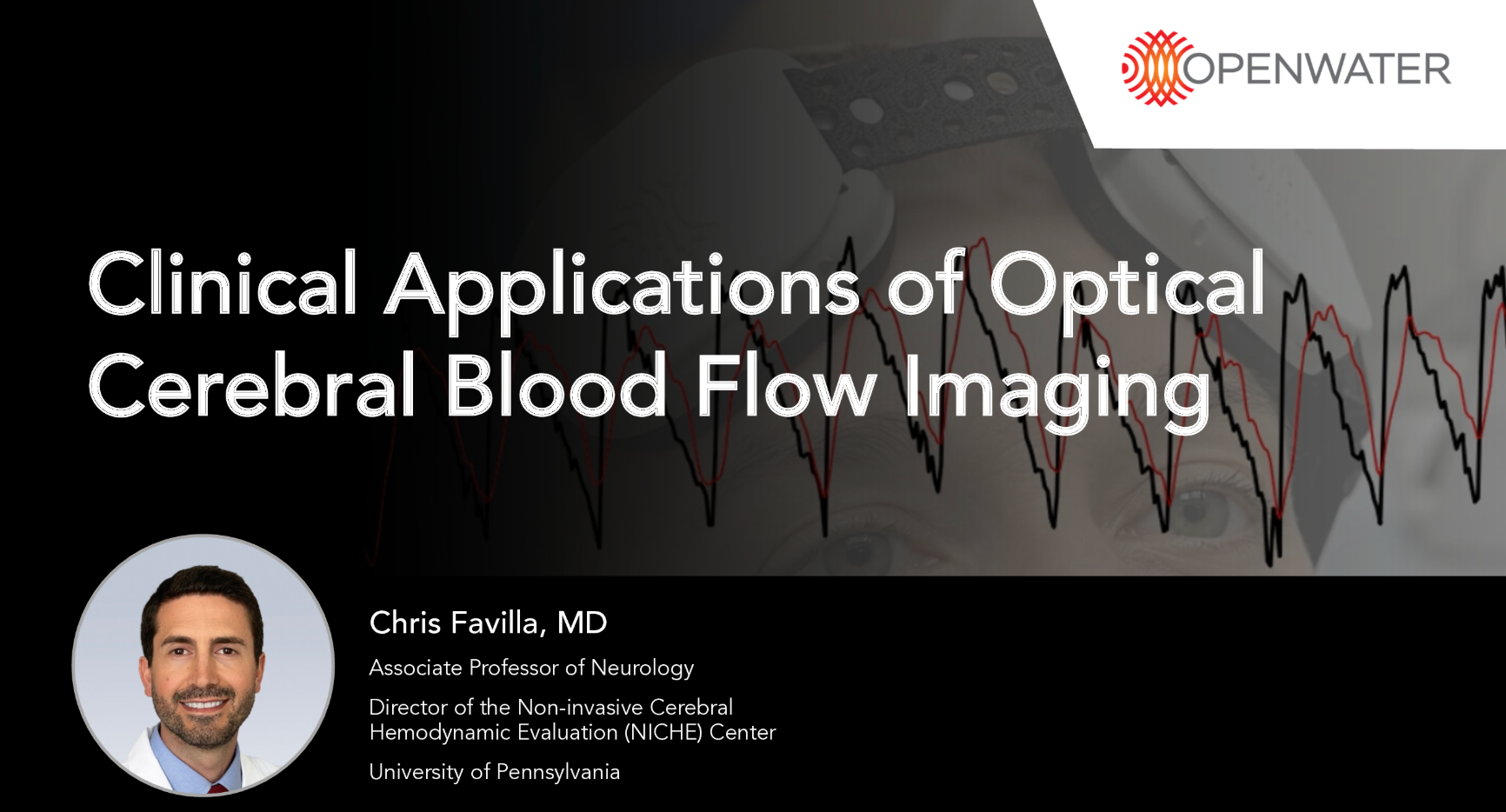
Near-infrared light has long been used in functional imaging — fNIRS systems measure how much light is absorbed by tissue to infer oxygen levels and blood flow. Openwater goes deeper. By recording the phase of coherent laser light — not just its intensity — we capture how light waves interfere after passing through tissue, revealing hemodynamic detail that absorption measurements alone cannot see: real-time blood flow, blood volume, and micromotion at a resolution that conventional fNIRS cannot approach.³
Focused ultrasound is being studied for over 180 diseases worldwide — 34 regulatory approvals, over one million patients treated.² Early pooled results from human trials have shown response rates exceeding 75% for mental diseases.¹
These fields are not new. Focused ultrasound and functional near-infrared imaging have been active areas of research for decades. But the physics Openwater is working with — phase-coherent laser measurement of hemodynamics, low-intensity ultrasound precise enough to select specific cell types — represents a new class of capability, not an incremental improvement on what came before. We are not miniaturizing existing tools. We are making measurements and interventions that were not previously possible.
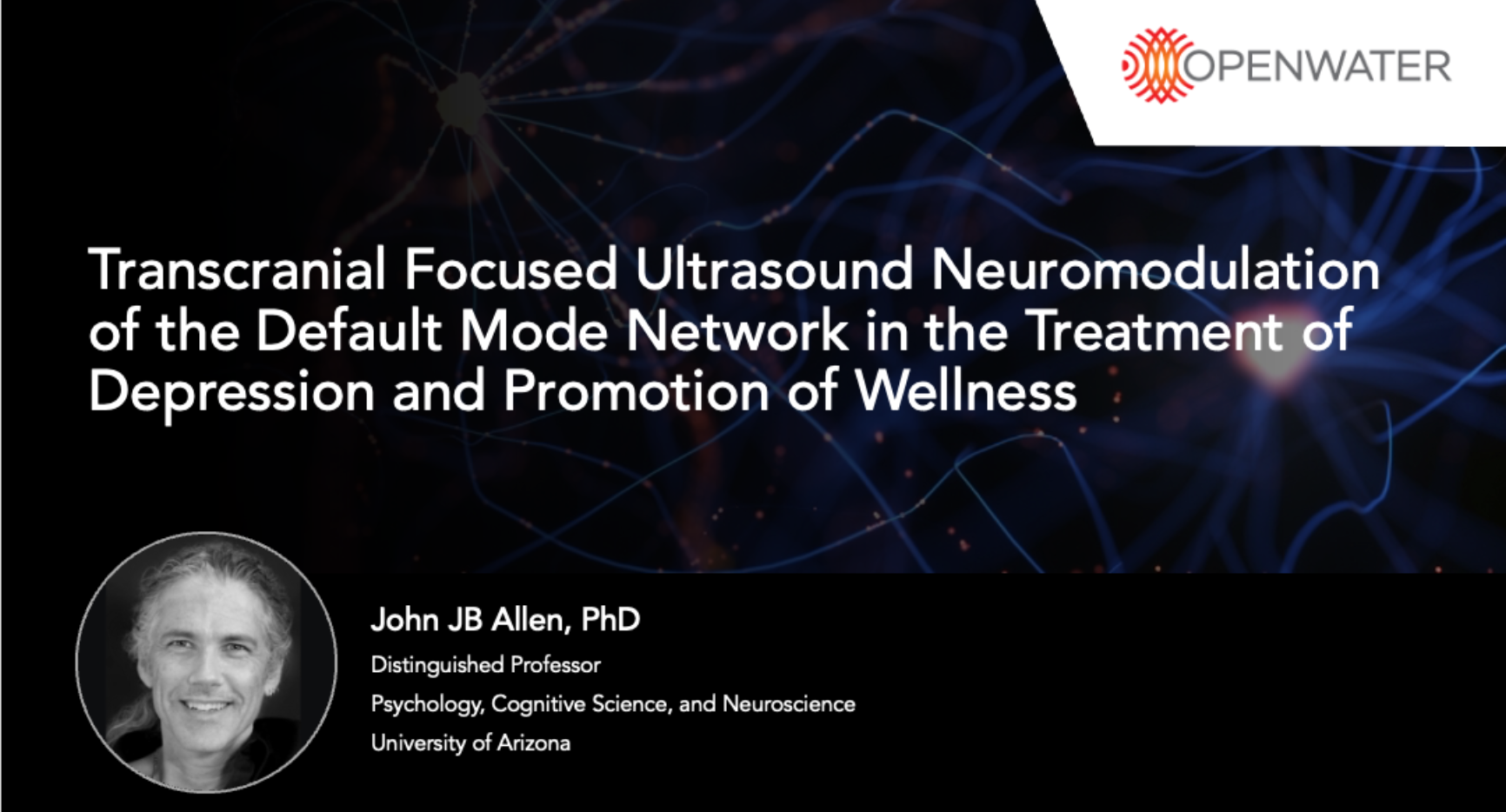
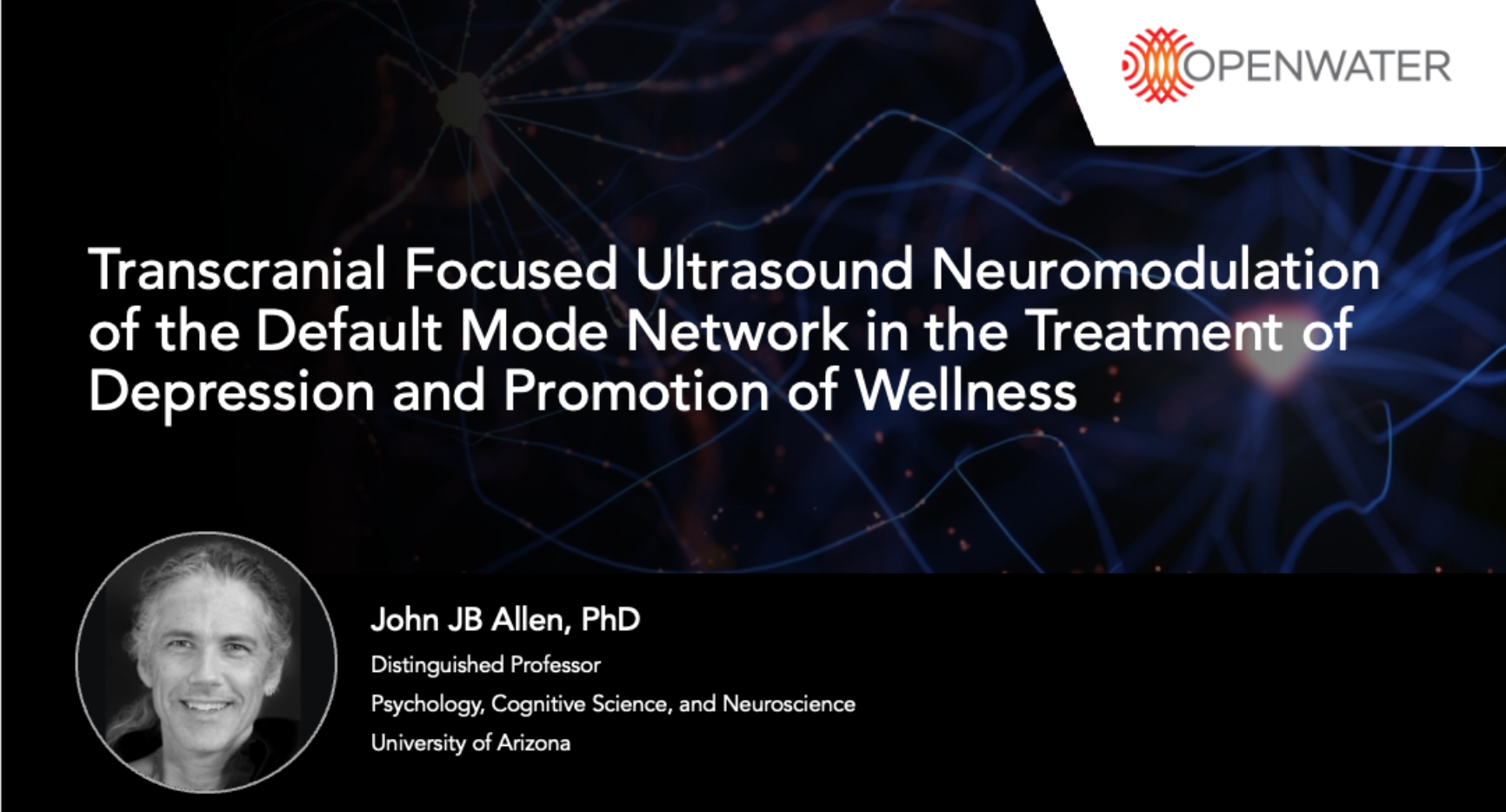
In Openwater's own published trial at the University of Arizona, 35% of participants with treatment-resistant depression reached full clinical remission — after less than two hours of total treatment time.⁵
Disease Areas
Brain & Mental Health Depression, Alzheimer's, Parkinson's, TBI, stroke, addiction, anxiety — the evidence base spans hundreds of clinical trials across both near-infrared imaging and focused ultrasound. The brain responds to both modalities through distinct but complementary mechanisms: light through hemodynamic measurement and mapping; ultrasound through direct, reversible neuromodulation of specific circuits. Neither requires drugs. Neither causes lasting tissue damage at low intensity.
Cancer Focused ultrasound is in active clinical trials for glioblastoma, pancreatic cancer, prostate cancer, liver tumors, and brain metastases. Precise hemodynamic imaging opens a parallel path — detecting the microvascular signatures of tumor activity and tracking treatment response in real time, without radiation.
Metabolic & Autoimmune Disease Near-infrared hemodynamic imaging reveals the microvascular dysfunction that underlies many chronic metabolic and autoimmune conditions. Low-intensity focused ultrasound offers a path to modulating the cellular activity driving them — without drugs, without surgery, without side effects.
Long COVID Emerging clinical work points to persistent microvascular and mitochondrial dysfunction as a root cause of long COVID symptoms. Both real-time hemodynamic measurement and targeted low-intensity ultrasound are active areas of investigation.
Veterinary Canine arthritis has become an important validation target: animals cannot report placebo effects, making positive results in pain and mobility particularly meaningful. Results from ongoing studies are informing protocol development for human trials.
Openwater's Trials
We are running and supporting trials across several of these areas now — with customers including universities, government agencies, foundations, and individuals operating their own studies using Openwater hardware.⁶ Every trial adds to a shared dataset. Every result — positive or negative — makes the platform smarter.
Human studies have been conducted at Hartford Hospital, Brown University, University of Pennsylvania, University of Arizona, UCLA, University of Birmingham, MIT and other institutions since 2021.
Citations
¹ Tan G, Chen H, Leuthardt EC. "Ultrasound Applications in the Treatment of Major Depressive Disorder." Neuromodulation, 2025. Pooled LIFU response rate (≥50% improvement) across human trials: 77.36%. Preprint; peer review ongoing.
² Focused Ultrasound Foundation. "Focused Ultrasound Exceeds One Million Patients Treated Worldwide." 2025. fusfoundation.org. Includes 180+ diseases studied, 34 regulatory approvals, 1M+ patients treated.
³ Li J et al. "The Most Fundamental and Popular Literature on fNIRS: A Bibliometric Analysis." Frontiers in Neurology, 2024. Over 9,400 fNIRS publications identified as of 2023.
⁴ Open-Motion: Favilla CG, Carter S, Hartl B, Gitlevich R, Mullen MT, Yodh AG, Baker WB, Konecky S. Neurophotonics 11(1), 2024. DOI: 10.1117/1.NPh.11.1.015008. Favilla CG, Baird GL, Grama K, Konecky S et al. Journal of NeuroInterventional Surgery, 2024.
⁵ Open-LIFU: Bawiec CR, Hollender PJ, Ornellas SB, Konecky SD et al. Journal of Ultrasound in Medicine, Feb 2025. DOI: 10.1002/jum.16600. Schachtner JN, Dahill-Fuchel JF, Allen KE, Bawiec CR, Hollender PJ, Konecky SD, Allen JJB. Frontiers in Psychiatry 16, 2025. DOI: 10.3389/fpsyt.2025.1451828.
⁶ Human studies initiated under IRB approval at Hartford Hospital, 2021. Subsequent studies conducted at Brown University, University of Pennsylvania, University of Arizona, UCLA, and additional institutions. Data on file.